
THE REASONS FOR DOING YOUR RESEARCH THE "RIGHT WAY"
ABOUT THIS LESSON
Videos provide great visual insights that you just can’t get from reading or listening. This course’s videos are here to help you get a grip on those tricky concepts that can be tough to wrap your head around.
No matter if you decide to self-publish or stick with traditional publishing, doing your research is super important in the writing journey. It’s really important to understand how research impacts all types of creative writing and the role it plays in the process.
It’s vital not to exaggerate or twist our findings so we don’t end up manipulating the results of our research. Looking into what you want to read can be fun, but remember, it’s important to give your readers a genuine experience.
In this lesson, you’ll find out what it means to research a book, why it’s crucial to do it right, and who benefits the most from your efforts.
Why Doing Research Is Essential for Authenticity
Whether you’re building imaginary worlds or unpacking real-life events, research is the bedrock that gives your writing weight, credibility, and emotional truth. Here’s why research matters so much—for both fiction and non-fiction writers—and how it enhances the reader’s experience.
A reader who senses you’ve done the legwork is more willing to follow where your story or argument leads.
Accurate emotional, cultural, or historical context allows readers to resonate deeply with your characters or message.
When details are convincing, readers are more likely to stay engaged and suspend disbelief.
Especially in non-fiction, thorough research equips readers to think critically, make informed decisions, or apply what they’ve learned.
No matter if your writing is fictional or based on facts, research acts like that hidden thread that brings authority, credibility, and a strong impact to every page. It really shows respect—for the subject, the story, and, most importantly, the reader.
For Fiction Writers

It’s about creating believable worlds
Even the most fantastical stories need realistic details. Research helps you accurately describe time periods, locations, customs, professions, dialects, and technologies. When done well, it makes readers say, “This feels real.”
Example: A crime thriller writer researching police procedures ensures scenes are credible, avoiding clichés and inaccuracies that break immersion.
Understanding the world your character inhabits—be it 1920s Paris or a contemporary hospital—helps you write characters who belong in that setting. Research supports speech patterns, cultural norms, historical behaviours, and inner conflicts that ring true.
Surface-level portrayals often reinforce clichés. Research allows you to explore cultures, identities, and experiences with respect and nuance, enriching your narrative and avoiding harmful misrepresentations.
In fantasy or science fiction, research may involve internal logic and worldbuilding rules. Readers notice inconsistencies. Solid research ensures continuity and believability even in make-believe worlds.
For Non-Fiction Writers

It’s about establishing credibility
Whether writing a memoir, how-to guide, or investigative book, your credibility hinges on correct facts, statistics, and citations. Good research shows you’re informed and trustworthy.
Example: A health writer citing outdated or incorrect science undermines the entire work, while up-to-date references build reader confidence.
Skilled research doesn’t just provide answers—it uncovers layers of complexity. You’re able to challenge assumptions, spot patterns, and offer readers deeper insights.
In persuasive non-fiction, your argument is only as strong as the evidence behind it. Well-chosen studies, anecdotes, and expert opinions add weight and clarity to your message.
Readers seek non-fiction to learn, apply, or understand something. When you’ve done your homework, your work becomes practical, useful, and share-worthy.
Questions to Ask Yourself that May Help

For Fiction Writers

Self-reflection questions to guide your research process and create a vivid, authentic story world.
Understand why you’re researching and how it supports your story.
What do I need to research to make this story believable?
How much research is necessary before I begin writing?
Am I researching to inform, inspire, or correct something in my plot or world?
What questions about my story world am I struggling to answer confidently?
Will this research help deepen the emotional or sensory realism of my scenes?
Ground your world—real or imagined—in specific, believable details.
Have I researched enough about the time period or era I’m writing in?
Do I understand the geography, climate, and physical layout of my setting?
Have I studied how people lived, worked, travelled, or socialised in this place and time?
Am I familiar with the local customs, taboos, festivals, or traditions of this setting?
Have I looked at photographs, maps, or historical records to visualise the environment?
Make your characters feel like real people shaped by their world.
Have I researched my character’s profession in enough detail to describe it accurately?
Do I understand the historical, political, or cultural forces that would shape this character’s identity?
Have I explored how someone from this background would speak, behave, or dress?
Do I understand the daily challenges or routines this character might face?
Have I consulted any firsthand accounts, interviews, or biographies for character insight?
Ensure characters respond realistically to events, trauma, and relationships.
Have I researched psychological responses to the events my characters experience?
Am I portraying grief, fear, or trauma in ways that are true to lived human experience?
Do I understand the emotional effects of war, abuse, displacement, or illness if they appear in my story?
Have I read memoirs or case studies that mirror my characters’ inner lives?
Am I avoiding stereotypes or pop culture myths about mental health?
Get dialects, speech patterns, and vocabulary right.
- Have I checked that the language and slang used are appropriate to the time and place?
- Am I using words or phrases that would not have existed yet?
- Does each character’s speech reflect their background, class, and education?
- Have I studied the way people actually spoke in that period or region?
- Could I confidently explain why a character speaks the way they do?
Research the mechanics of your world—objects, inventions, and routines.
Have I researched how the tools or machines in my story actually work?
Do I know how long it would take to travel, build, or communicate something in this era?
Have I avoided introducing technologies or materials that didn’t yet exist?
Can I accurately describe the steps in a process my character performs (e.g., surgery, blacksmithing, flying a plane)?
Have I read or watched demonstrations of the tools, jobs, or systems in use?
Grounding imaginary stories in real historical frameworks.
Have I cross-checked my historical facts against reliable sources?
Have I understood the causes and effects of any real-world events in my story?
Am I presenting the attitudes and beliefs of the time accurately—even if they are uncomfortable?
Have I avoided projecting modern values onto historical characters without reason?
Would a historian find my portrayal accurate or too romanticised?
Even invented worlds need research to feel real.
Have I based my fictional technology or magic systems on real-world logic or science?
Have I established clear rules and limits for my fantasy/sci-fi elements?
Can I explain how this world functions economically, socially, or politically?
Have I drawn inspiration from mythology, physics, or other disciplines to enrich the world?
Have I checked that my worldbuilding avoids clichés or inconsistencies?
Apply research without overwhelming the narrative.
- Am I using research to enhance the story—not to show off my knowledge?
- Have I let the research become invisible by fully absorbing it into my writing?
- Am I selecting only relevant details instead of dumping everything I’ve learned?
- Are the researched elements serving character, plot, or theme?
- Could a reader learn something without feeling like they’re being lectured?
Evaluate how your research holds up to scrutiny.
Would someone with lived experience find this portrayal respectful and accurate?
Have I consulted any sensitivity readers, beta readers, or experts to review my work?
Are there parts of my research that need updating or revisiting before I finish?
Would I be able to explain or defend my research choices in an interview?
Have I done enough research to feel confident in writing this story with authority?
For Non-Fiction Writers
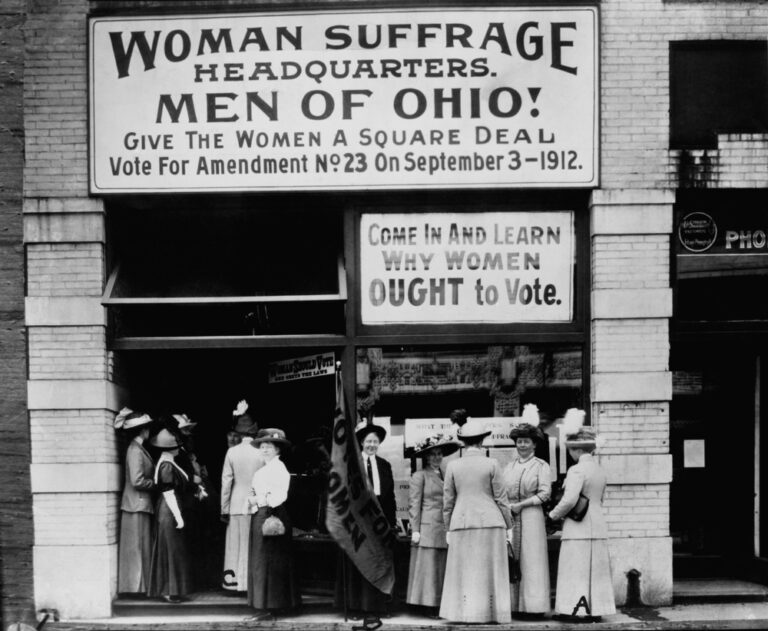
Self-reflection questions to ensure your research is accurate, ethical, well-organised, and reader-focused.
Know what you’re researching and why it matters.
What central argument or promise am I trying to support with this research?
What do I need to prove, clarify, or challenge through factual evidence?
Who is my audience, and what kind of research would they expect or trust?
How broad or narrow should my research scope be for this topic?
Am I being clear about the boundaries between fact, opinion, and personal story?
Choose sources that are relevant, reliable, and reputable.
Am I relying on up-to-date, peer-reviewed, or primary sources where possible?
Have I researched across a range of disciplines, viewpoints, or case studies?
Am I falling into confirmation bias by only selecting sources that agree with me?
Do I know how to identify misinformation, outdated data, or fake experts?
Have I used both quantitative (data) and qualitative (interviews, observations) research?
Keep your research manageable and traceable.
- How am I collecting and storing my research notes for easy use later?
- Am I consistently citing every source I use or paraphrase?
- Have I created a system (folders, spreadsheets, tags) to keep sources organised?
- Can I easily trace every fact, quote, or reference in my manuscript?
- Do I have a plan to update any time-sensitive or evolving information?
Go beyond surface-level knowledge to real insight.
Have I read broadly enough to understand the complexity of this issue?
What are the most common misconceptions about this topic—and am I addressing them?
Can I explain the topic simply without oversimplifying it?
Have I researched how this topic affects different demographics or regions?
Have I looked into the historical context and long-term implications?
Let real voices enrich your message.
Have I interviewed or consulted people with lived experience or authority on the topic?
Did I gain permission to quote or paraphrase their insights?
Am I representing their words accurately and ethically?
Have I balanced expert voices with everyday perspectives?
Have I included enough direct examples or stories to make abstract concepts relatable?
Respect privacy, balance, and accuracy.
Have I been transparent about my research methods and sources?
Have I anonymised people or companies where necessary?
Have I checked whether my claims could harm or mislead anyone?
Am I portraying controversial topics with fairness and nuance?
Have I sought legal or editorial advice for sensitive content?
Use numbers to support—not confuse—your readers.
Have I verified every statistic through a trustworthy source?
Do I understand how the data was collected, and whether it’s representative?
Have I avoided misrepresenting or cherry-picking data to suit my narrative?
Can I explain every chart, table, or claim in plain English?
Have I used visuals or summaries to help readers understand the data?
Make your research flow logically throughout your writing.
Does each chapter or section have clear research supporting its main point?
Have I integrated quotes, citations, or data smoothly into the narrative?
Do I explain why the research matters—not just what it says?
Have I used transitions and context to connect research to ideas?
Are my sources helping the reader understand—or distracting them?
Double-check everything before publishing.
- Have I had a subject matter expert review parts of my work?
- Have I fact-checked every claim that isn’t common knowledge?
- Could a critic easily disprove or challenge my argument due to weak sourcing?
- Have I included a bibliography, footnotes, or resource list for readers?
- Would this research hold up in a professional, academic, or public setting?
Ensure the research enhances value and trust for your reader.
Will this research help the reader take action, feel confident, or learn something new?
Am I anticipating and answering the reader’s questions through research?
Have I made the research digestible, without watering it down?
Is there anything missing that a critical reader would notice?
Would I trust and recommend this book if I were the reader?